
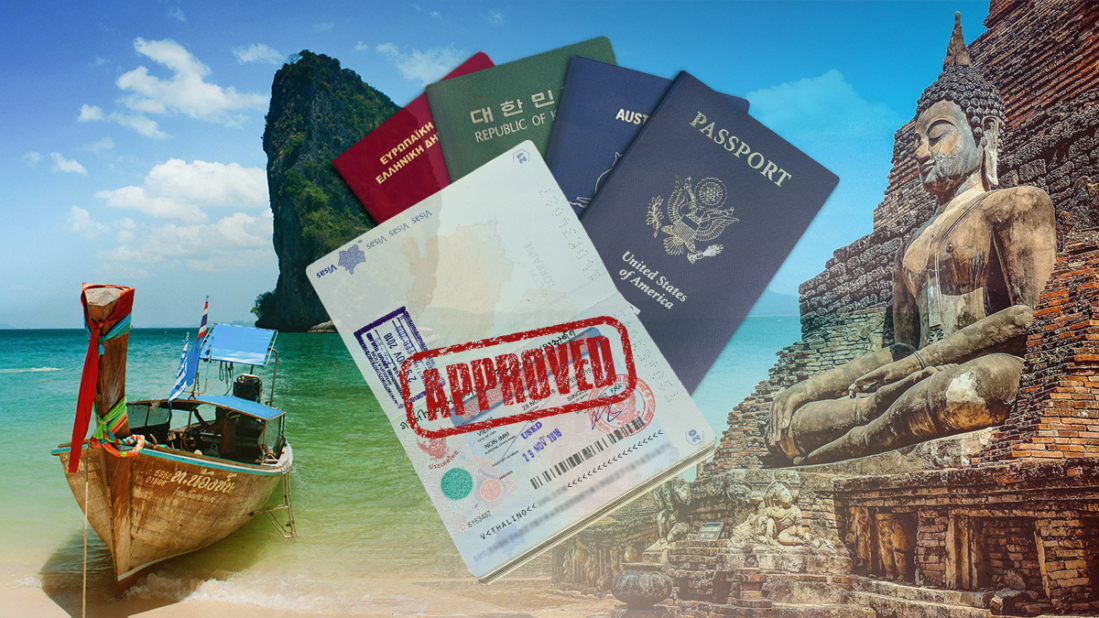
How to Improve Your Chances of Getting a Thai ED Visa as a Genuine Student
Applying for a Thai ED visa can feel confusing, especially because requirements are not always the same at every Thai embassy or consulate.
Some students think the ED visa is simply a way to stay in Thailand longer. That is the wrong way to look at it.
The Thai ED visa is for people who genuinely intend to study. If you are applying through a language school, your application should clearly show that you are a real student, that your study plan makes sense, and that your documents are consistent.
At Duke Language School, we help students prepare the school-related documents needed for their application. However, the final decision is always made by the relevant Thai embassy, consulate, or immigration authority. No school can guarantee visa approval.
This guide explains how to prepare more responsibly and avoid common mistakes.
Check the Requirements of the Embassy or Consulate Before You Apply
One of the most important things to understand is that ED visa requirements can vary depending on where you apply.
A Thai embassy in one country may ask for documents that another embassy does not. Some may request financial evidence. Some may ask for proof of current location. Some may have additional document requirements depending on your nationality, travel history, or study purpose.
This is why you should not rely only on old blog posts, social media comments, or someone else’s experience from last year.
Before applying, check:
- the official Thai embassy or consulate website
- the official Thai e-Visa website, if your application is handled online
- the latest document requirements for your location
- whether an appointment is required
- whether financial evidence or additional supporting documents are needed
Your school can advise you based on experience, but you should always confirm the latest requirements directly with the embassy or consulate.
Make Sure Your Purpose Is Clear: You Are Applying to Study
The ED visa is not a work visa, retirement visa, or general long-stay visa. It is an education visa.
That means your application should make sense from an educational point of view.
If you are applying to study Thai, you should be prepared to explain why you want to learn Thai. Good reasons may include living in Thailand more comfortably, communicating better in daily life, understanding Thai culture, or building a stronger foundation for long-term plans in Thailand.
You do not need an overly complicated answer. You just need an honest and consistent one.
A weak application is one where the applicant appears to be using school enrollment only as a way to stay in Thailand, without a serious intention to attend class.
A stronger application shows that you understand the purpose of the visa and intend to study properly.
Prepare Financial Evidence If It Is Required
Many visa applications require applicants to show that they can support themselves during their stay. This is especially important because ED visa holders are expected to study, not work illegally.
The exact financial requirement can vary depending on the embassy, consulate, visa system, and applicant situation. Some locations may request bank statements or other proof of funds. Others may ask for different supporting documents.
If financial evidence is required, make sure your documents are:
- recent
- clear
- in your name, if required
- consistent with embassy instructions
- easy for the officer to understand
If you are being financially supported by someone else, check whether the embassy accepts sponsorship documents and what proof of relationship or support is needed.
Do not assume that the same financial documents will be accepted everywhere.
Be Careful If You Have a Complicated Travel History
Your recent travel history can affect how your application is viewed.
If you have spent a long time in Thailand using visa exemptions, tourist visas, border runs, or repeated short-term entries, the embassy may look more carefully at your application. This does not automatically mean you will be rejected, but it may raise questions about your purpose of stay.
From the officer’s point of view, they may want to know:
- Why are you now applying for an ED visa?
- Are you genuinely planning to study?
- Have you been staying in Thailand for reasons unrelated to education?
- Are your documents and answers consistent?
If your travel history is complicated, be honest with the school before starting the process. The school may be able to advise you on timing and document preparation, but it cannot erase your travel history or guarantee approval.
Do Not Wait Until the Last Minute
Timing matters.
Students already in Thailand should avoid leaving their visa planning too late. Document preparation, Ministry-related processing, embassy appointments, travel arrangements, and possible additional document requests can all take time.
If you wait until the end of your current permission to stay, you may create unnecessary risk.
You may run into problems such as:
- not enough time to prepare documents
- no available embassy appointment
- unexpected additional requirements
- public holidays
- processing delays
- needing to leave Thailand earlier than planned
A better approach is to ask the school about the timeline early, prepare documents carefully, and leave enough buffer for unexpected changes.
Keep Your Information Consistent
One common reason visa applications become stressful is inconsistency.
Your school application, visa application, travel history, financial documents, and interview answers should all tell the same story.
For example, if you are applying as a beginner Thai student, but you previously studied Thai for a long time, you should not pretend you have never studied before. If you previously held an ED visa, the embassy may reasonably expect you to have some Thai ability or to explain why you are continuing your studies.
Being honest does not mean overexplaining everything. It means avoiding answers that could appear misleading.
Before applying, make sure you are clear on:
- what course you are enrolled in
- when your course starts
- why you want to study Thai
- where you plan to stay
- how you will support yourself
- what your recent Thailand travel history looks like
If the embassy asks questions, answer calmly, honestly, and consistently.
Do Not Work Illegally on an ED Visa
This point is important.
The ED visa is for studying. It is not the correct visa if your main purpose is to work in Thailand.
If you plan to work for a company in Thailand, you should look into the correct work visa and work permit process. If you plan to start a business, you should seek proper legal or visa advice for that situation.
Studying Thai while exploring future options in Thailand is different from using an ED visa to hide illegal work.
If your real purpose is employment, the ED visa is not the right solution.
Attend Class and Take Your Studies Seriously
Getting the visa is not the end of the process.
If you receive an ED visa through a language school, you are expected to study. Attendance, participation, and progress matter. Immigration authorities may check whether students are genuinely attending class and learning.
A serious student should:
- attend classes regularly
- follow the school schedule
- inform the school properly if there is a problem
- make real effort to learn
- understand the conditions of their stay
This is not only about visa compliance. It is also the best way to actually benefit from your time in Thailand.
Final Advice
The best way to improve your chances of getting a Thai ED visa is not to look for shortcuts. It is to prepare like a genuine student.
That means choosing a proper school, checking the latest embassy requirements, preparing clear documents, applying early, answering questions honestly, and attending class after your visa is approved.
Duke Language School can help with school-related documents and guidance based on our experience with Thai language students. However, ED visa approval is never guaranteed, and requirements can change depending on the embassy, consulate, immigration office, and individual applicant history.
If you are serious about learning Thai and want to study in Bangkok, the ED visa can be a useful option. Just make sure you approach it the right way: as a student, not as a shortcut.
Frequently Asked Questions
Can Duke Language School guarantee my ED visa approval?
No. No school can guarantee ED visa approval. Duke Language School can prepare the school-related documents and guide students based on experience, but the final decision belongs to the relevant Thai embassy, consulate, or immigration authority.
Do ED visa requirements change depending on where I apply?
Yes. Requirements can vary by embassy, consulate, country, nationality, and applicant history. Students should always check the latest requirements with the relevant Thai embassy, consulate, or official Thai e-Visa system before applying.
Do I need a bank statement for a Thai ED visa?
Some embassies or consulates may request financial evidence, such as a bank statement, but requirements are not the same everywhere. Always check the specific requirements for the location where you will apply.
Can I work in Thailand on an ED visa?
The ED visa is for study. It is not the correct visa for working in Thailand. If your main purpose is employment, you should look into the correct work visa and work permit process.
What if I have many tourist visa stamps or visa-exempt entries?
A long or complicated travel history may cause the embassy to examine your application more carefully. It does not always mean rejection, but you should be prepared to explain your study plans clearly and honestly.
Should I apply for the ED visa at the last minute?
No. Applying too late increases the risk of problems, especially if documents, appointments, holidays, or additional requirements cause delays. It is better to start the process early and leave enough buffer time.
What is the most important factor in a strong ED visa application?
The most important factor is that your application clearly supports a genuine study purpose. Your documents, answers, course enrollment, travel history, and financial situation should be clear and consistent.

It makes sense and useful information.
just share my experience as I just back from Thai embassy in Vientiane as of Mar 17 2020. first of all, you don’t need to
download an application form from online as you need to rewrite an application form anyway. I was asked to have 1.photocopy of passport and 2.stamp of entering laos then 3.bank statement. As you may know you need online appointment. you may just pay attention to queue number instead of time frame. for example, queue number indicate 55 and time frame indicate 10 to 11am then if you go 10 to 11, you cannot go inside until queue number goes to end let’s say 150. for my case, it was 89 when I went time frame indicated and I have to wait for almost an hour. next day when you collect passport, you may have to wait around 3pm as they are not ready for all passport when they open at 1:30pm.
All the best